What if you could land in London today and access local data instantly without losing access to your bank’s 2FA security texts? Most travelers think they have to choose between a $150 roaming bill or disconnecting their home line entirely. According to Juniper Research, in 2024, roaming subscribers paid an average of $8.57 per GB, versus $5.50 per GB for travel eSIM users a 35% saving.
By using dual sim esim technology, you’ll stop making that choice. You can activate two mobile plans on a single device, making it ideal for international travel, business calls, and cost-effective data usage.We know how frustrating it is to feel cut off from your primary identity just to save a few dollars. You don’t have to play that game anymore.
This guide shows you exactly how to keep your home number active for calls while a digital plan handles the heavy lifting. We’ll explain the difference between Dual Standby and Dual Active in plain English, and make sure you never come home to a surprise roaming bill again
Key Takeaways
- Understand how modern devices use Dual SIM technology to bridge the gap between your home network and local providers worldwide.
- Learn how Dual SIM Dual Standby (DSDS) allows your phone to listen to two networks at once, ensuring you never miss a 2FA text or an important call.
- Master the “Hybrid Approach” using a dual sim esim configuration to wipe out roaming charges while keeping your primary number active for messages.
- Get a clear, step-by-step roadmap for unlocking your device and activating an Orange eSIM in seconds via a simple QR code.
- Discover why the Orange Holiday Europe plan is the ultimate companion for stress-free travel across more than 30 countries.
Table of Contents
- What is Dual SIM with eSIM? Understanding the Basics in 2026
- How Dual SIM Works: DSDS and Multiple eSIM Profiles
- Setting Up Your Dual SIM eSIM: A Step-by-Step Guide
- Choosing the Best Dual SIM Partner: Orange Holiday eSIM
What is Dual SIM with eSIM? Understanding the Basics in 2026
Dual SIM technology allows your mobile device to connect to two separate network providers at the same time.This can be done in a few ways:
- Two physical SIM slots (in some models)
- A physical SIM card plus an eSIM ( the standard on iPhones)
- Two eSIMs (in newer phones that support dual eSIM setup)
By 2026, this technology has shifted from a niche business tool to a standard requirement for global travelers. Using a Dual SIM with eSIM configuration means your phone can manage two active lines simultaneously, giving you total control over your connectivity.
Physical SIM vs. eSIM: What’s the difference?
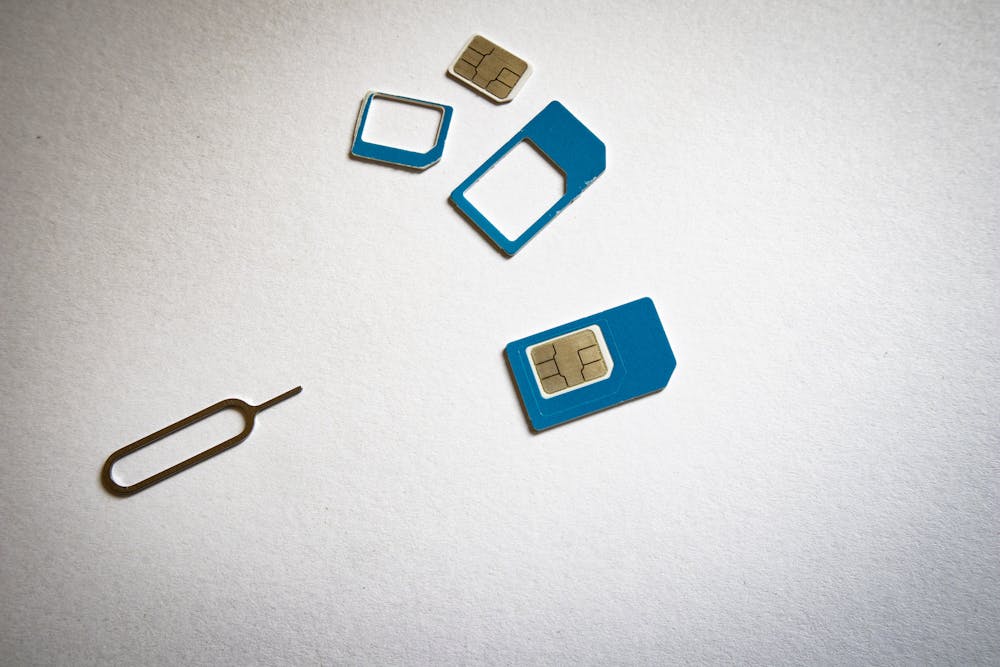
Traditional nano-SIMs are 12.3mm x 8.8mm pieces of plastic that you must manually insert into your device. They’re easy to lose, fragile, and tied to a single carrier. In contrast, an eSIM is a tiny 6mm x 5mm digital chip soldered directly onto your phone’s motherboard. This eSIM technology allows you to download and activate cellular profiles instantly over the air. It’s the superior choice for modern explorers because it’s impossible to lose and supports multiple profiles. You can store up to eight or more plans on one device and toggle between them in seconds through your settings menu.
Device Compatibility Check
Most flagship devices released over the last seven years support some form of dual connectivity. GSMA said that just in the first half of 2025, brands have launched more than 60 eSIM-enabled smartphones.
If you’re using a modern smartphone, you likely already have the hardware needed for a dual sim esim setup. Here is a quick list of compatible flagship series:
- Apple: iPhone XS and XR (2018) all the way through the latest iPhone 17 Pro Max.
- Samsung: Galaxy S20 series (2020) through the Galaxy S26 Ultra. ( late 2021 in some regions in the US )
- Google: Pixel 4 (2019) through the Pixel 10 Pro.
Before you purchase a data plan, verify that your device is carrier-unlocked. You can check thisin your settings under “General” and “About.” Look for the “Carrier Lock” section; it should state “No SIM restrictions.” If your phone is locked, your home provider must release it before you can add a second profile.
Regional differences still play a role in 2026. For example, some models sold in mainland China still feature two physical nano-SIM slots instead of eSIM support. Always check your specific model number to confirm it supports digital activation for
a stress-free travel experience.
How Dual SIM eSIM Works: DSDS and Multiple eSIM Profiles
Most modern smartphones, including iPhones released since 2018 and Samsung Galaxy models from the S20 onwards, utilize a technology called Dual SIM Dual Standby (DSDS). This system allows your device to stay connected to two different networks withoutrequiring two separate sets of radio hardware.
Your phone’s modem is the brain of the operation, rapidly cycling between your physical SIM and your digital profile to check for incoming signals. This setup is the foundation of a dual sim esim configuration, giving you the freedom to keep your home number active while using a local data plan.
By using DSDS, your phone essentially “listens” to both lines at once, ensuring you never miss a text on your primary number while you’re browsing the web on your travel data. For a detailed walkthrough, see our complete guide on how to activate your Orange eSIM.
Managing Multiple eSIM Profiles
Your phone acts like a digital wallet for cellular plans. While you can usually only have one or two lines active at the same time, most modern devices allow you to store 8 or more eSIM profiles. You can keep a plan for your summer trip and a separate World plan for a business trip to Asia for instance. Switching between them is incredibly fast, often taking under 30 seconds in your settings menu.
- The Toggle System: You don’t need to delete a plan when you’re done. Just turn the “Turn On This Line” switch to off.
- Naming Best Practices: Use specific names like “Orange France 20GB” instead of “Cellular 2” to avoid confusion at the checkout.
- Instant Activation: Because there’s no physical chip, you can get a new eSIM plan and have it ready on your device before you even board your flight.
What happens when you’re using data and a call comes in? If you’re scrolling through a map using your eSIM data and someone calls your home number, your phone shifts priority to the voice call. On 5G networks and devices supporting VoLTE (Voice over LTE), you can often continue using data while talking. If your device is older, your data might pause momentarily. Once you hang up, the modem immediately re-establishes the data connection, ensuring your dual sim esim experience remains smooth and reliable throughout your journey. See this article if you want to know how many eSIMs you can have on your phone.
The Traveler’s Hack: Using Dual SIM to Avoid Roaming Fees
Modern travelers don’t swap physical SIM cards at the airport anymore. They use a hybrid setup. This strategy involves keeping your primary home SIM active for essential services while using a digital plan for everything else. By utilizing a dual sim esim configuration, you maintain your identity without the financial penalty of international roaming. You stay reachable on your original number, but your phone pulls all its heavy data usage from a local, affordable digital line.
The math is simple and favors the prepared traveler. Standard US carriers typically charge a flat $10 daily fee for international roaming. On a 14-day trip to Europe, you’ll pay $140 just to access your existing plan. In contrast, an Orange Travel eSIM provides 10GB of high-speed data for approximately $22.99. This reduces your cost to roughly $1.82 per gigabyte. The highlights that this technology simplifies the process of switching between providers, which is exactly what makes these savings possible. You aren’t tied to a single carrier’s expensive global rates.
Setting this up requires two minutes in your phone settings. Once your eSIM is active, go to your “Cellular” or “Mobile Data” menu. Set your home line as the “Default Voice Line” but select the eSIM for “Cellular Data.” Crucially, you must toggle “Data Roaming” to OFF for your home SIM and ON for the eSIM. This prevents your primary carrier from triggering that $10 daily charge the moment you check an email. Your phone will intelligently route all web traffic through the cheap data pipe while keeping the home line open for incoming signals.
Preserving 2FA and Security
Security remains the biggest reason to keep your home line active. Approximately 90% of major banks and credit card companies rely on SMS-based two-factor authentication (2FA). If you “go dark” by turning off your home SIM, you risk being locked out of your accounts when a transaction triggers a security check. Most carriers allow you to receive incoming text messages for free even when abroad. By keeping your home line on, those vital 6-digit codes still arrive in your inbox. To save even more, enable Wi-Fi Calling before you depart. This allows you to make or receive calls over a Wi-Fi network using your home plan’s domestic rates instead of international per-minute charges.
iMessage and WhatsApp on Dual SIM
Messaging apps function perfectly in a dual sim esim environment if you configure them correctly. When you install a new data plan, WhatsApp will often ask if you want to update your number. Always select “Keep Existing Number” to ensure your chats and contacts remain unchanged. For iMessage users, go to Settings and then Messages to verify that your home phone number and primary email are checked under “Send & Receive.” This ensures your blue bubbles stay blue and your friends don’t see a random European number in their chat list. You get the benefit of local data speeds while appearing as if you never left home.
Setting Up Your Dual SIM eSIM: A Step-by-Step Guide
Transitioning to a dual sim esim setup is the most effective way to maintain your home identity while accessing affordable local data. Before you board your flight, you must complete a quick two-step checklist;
First, verify that your device is carrier-unlocked. A locked phone will reject any third-party profile 100% of the time. Second, purchase your Orange eSIM plan. You’ll receive a confirmation email with your digital credentials in less than 60 seconds.
Installation is straightforward. Once the profile is downloaded, your phone will recognize two distinct networks.
Setup for iPhone (iOS 17-26)
Open Settings and tap Cellular. Select Add eSIM to begin the process. Once the profile is active, the system will ask you to label your plans. Label your physical SIM as ‘Primary’ and the new plan as ‘Travel’ or ‘Data’. This clarity prevents confusion when you’re texting.
Navigate to Cellular Data and select your ‘Travel’ plan as the source. You’ll see a toggle for ‘Cellular Data Switching’. Keep this OFF. If you leave it on, your iPhone might jump back to your home SIM’s expensive data if the local signal fluctuates, leading to unexpected charges on your next bill.
Setup for Android (Samsung/Google Pixel)
Android users should navigate to Settings, then Connections, and finally SIM Manager.
Toggle your new eSIM to ‘On’ and set it as the ‘Preferred SIM’ for Mobile Data. Ensure your physical SIM remains the default
for Calls and Messages. If you’re using a Samsung device, look for the ‘Dual SIM Always On’ feature.
Verifying your setup is the final step to a stress-free trip. Look at the top right or left corner of your screen. You should see two sets of signal bars stacked or side-by-side.
Ready to experience seamless connectivity on your next adventure? Pick your Orange eSIM plan and get connected in minutes.
Choosing the Best Dual SIM Partner: Orange Travel eSIM
Orange is a leading Tier-1 global operator, giving you direct access to its own network infrastructure used by over 300 million customers worldwide. This ensures strong reliability, low latency, and fast 4G/5G speeds essential when using a dual SIM eSIM for travel or business.
Orange Travel offers flexible eSIM plans tailored to your needs, including regional and destination-based options.
The Orange Holiday Europe plan is designed for seamless travel across 40+ European countries. It includes generous data and optional unlimited calls & SMS, with no need to change settings when crossing borders. Activation is instant, and you can be online in under a minute, even before leaving the airport. Check our guide to the best eSIM for Europe to compare all available options.
For global travel, the Orange Travel World plan covers 200+ destinations worldwide. Whether you’re in Asia, South America, or elsewhere, you stay connected without needing a local SIM. Everything is managed easily through the Orange Travel app, where you can track usage and top up data instantly.
Stay connected wherever you go
With Orange Travel eSIM, enjoy fast and reliable coverage in over 200 destinations. No SIM swap. No stress.
Get your eSIM
Take Control of Your Global Connection
With Orange Travel eSIM, you get fast activation, global coverage, and a simple way to stay connected anywhere in the world.
Using Orange as your digital partner means you’re choosing a legacy of quality. The setup is straightforward, the costs are transparent, and the network is robust. You get the freedom to explore the world while keeping your original phone number active for those essential calls from home. It’s the ultimate balance of modern technology and practical convenience for every type of traveler whether you’re backpacking through Asia or looking for the best eSIM for Europe, Orange has you covered.
Not sure which plan to choose for your next European trip? Check our guide to the best eSIM for Europe to compare all options and find the perfect match for your travel style
Frequently Asked Questions
Can I use two eSIMs at the same time without a physical SIM?
Yes, you can use two active eSIMs simultaneously on devices like the iPhone 13 or newer models. This feature allows you to ditch the physical card entirely while maintaining two separate lines. You’ll manage both profiles through your phone’s cellular settings menu just as easily as a single plan.
Will using Dual SIM drain my battery faster?
Using Dual SIM may slightly increase battery consumption because the phone maintains two network connections. The impact is usually minimal on modern smartphones, but it can become more noticeable in areas with weak signal or when both lines are heavily used for data and calls.
Do I need to turn off my home SIM to avoid roaming charges?
No, you don’t need to turn off your home SIM, but you must turn off “Data Roaming” in your settings. This setup lets you receive urgent SMS codes while using your Orange Travel eSIM for all internet traffic. By selecting your travel plan as the primary data source, you avoid the $10 daily roaming fees common with major US carriers. It’s the smartest way to stay reachable
without returning home to a massive bill.
Can I use WhatsApp with my second SIM card?
Yes, WhatsApp continues to function perfectly with your original phone number even when using a dual sim esim configuration. The app doesn’t care which SIM provides the data connection. You’ll keep all your existing chats and contacts without any reconfiguration.
What happens to my home number if I delete my eSIM profile?
Deleting an eSIM profile has zero impact on your home number or its service status. Your home line remains safely stored on its own physical chip or separate digital slot. If you accidentally remove your Orange Travel plan, you’ll simply lose that specific data connection.
Does Dual SIM work on all networks?
Dual SIM functionality works across all major 4G and 5G networks globally as long as your device is carrier-unlocked. You can mix and match different providers to find the best local coverage. Using a dual sim esim setup ensures you aren’t locked into one network’s weak signal area during your trip.
How do I know if my phone is Dual SIM eSIM compatible?
Dial *#06# on your keypad to see if an EID number appears on your screen. If you see this 32-digit code, your device is ready for digital plans. You can also look in your “Cellular” or “Network” settings for an “Add eSIM” button. Most flagship phones released after 2018, including the Google Pixel 3 and Samsung Galaxy S20, include this hardware by default